Sunrooms
Are Sunrooms Waterproof?
Published
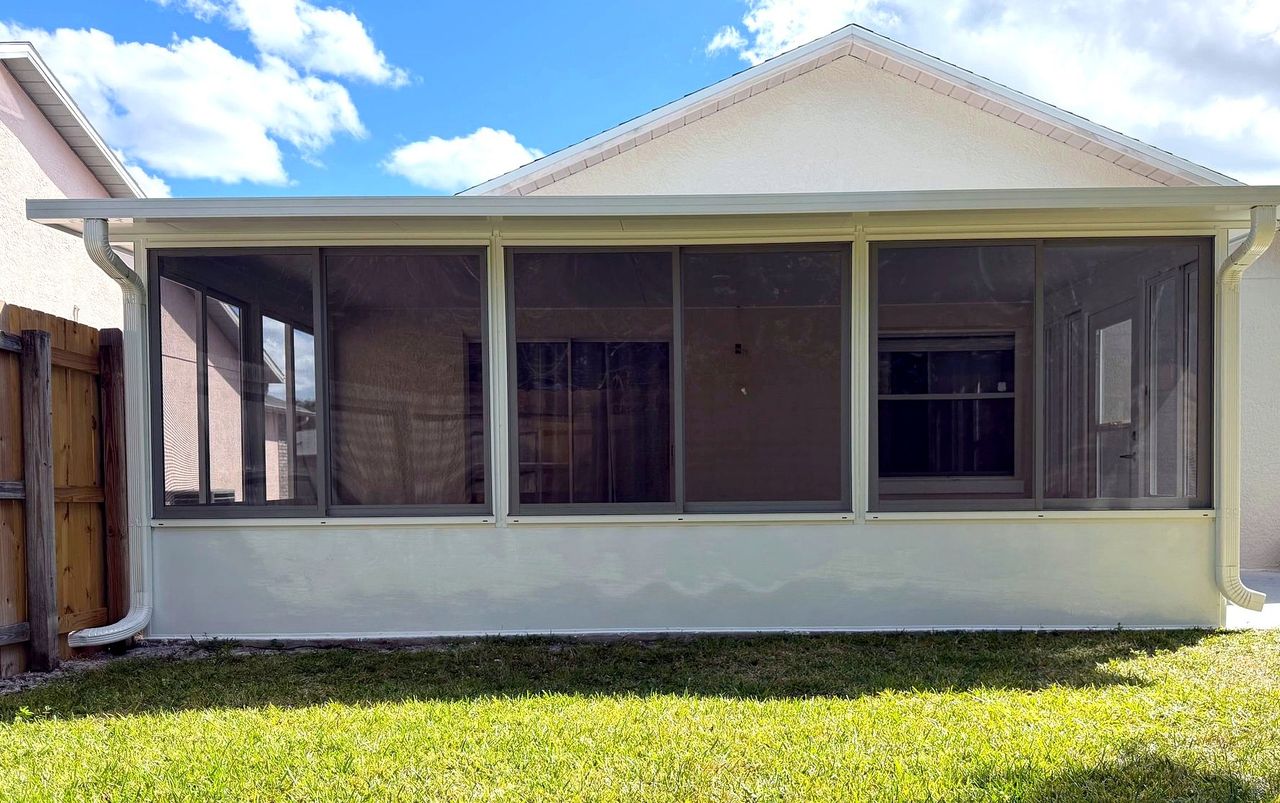
The short answer: An aluminum sunroom is built to be water resistant, not waterproof. That difference is a big part of why a sunroom costs so much less than a traditional home addition.
Built for Florida’s outdoor lifestyle
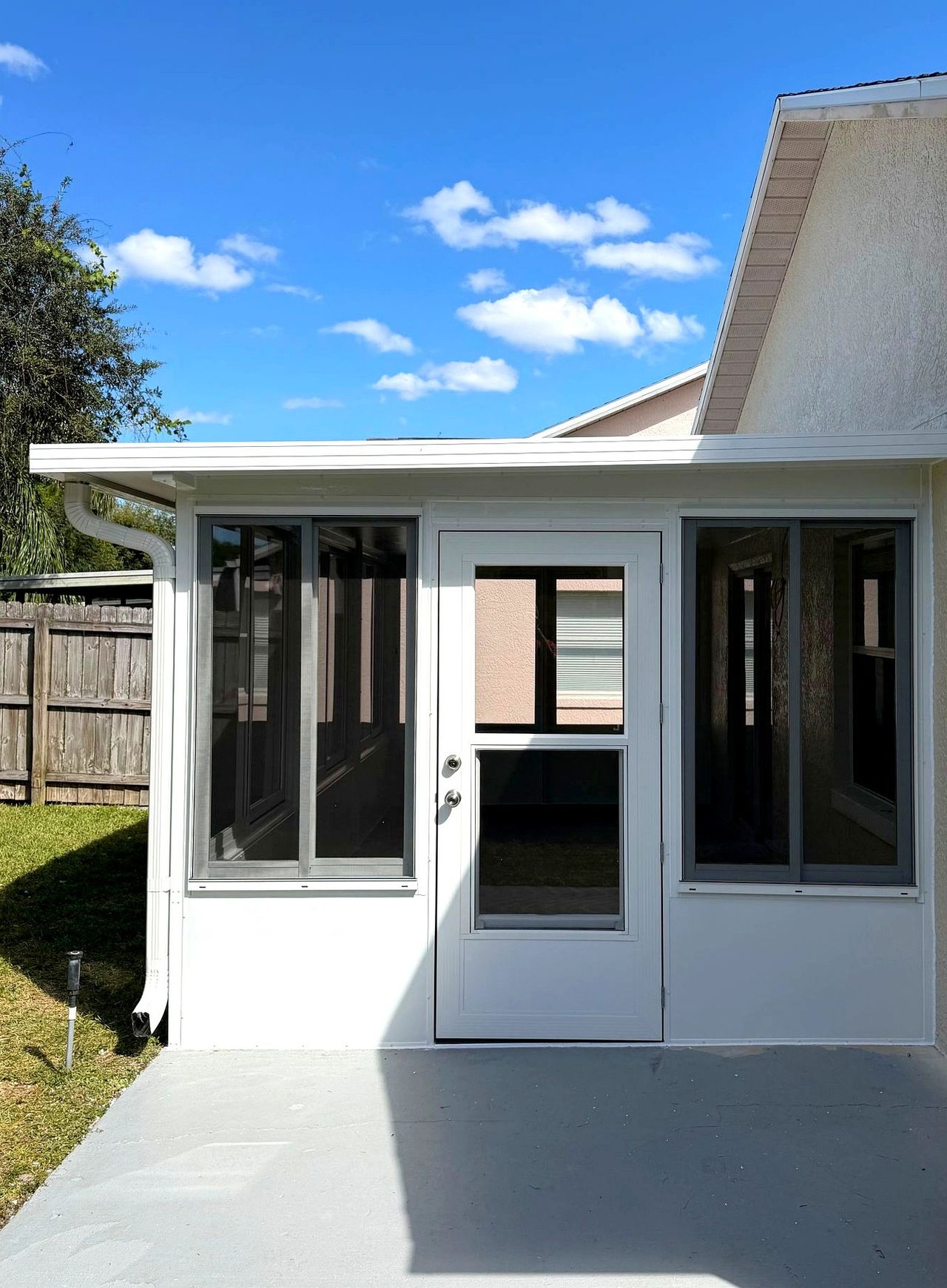
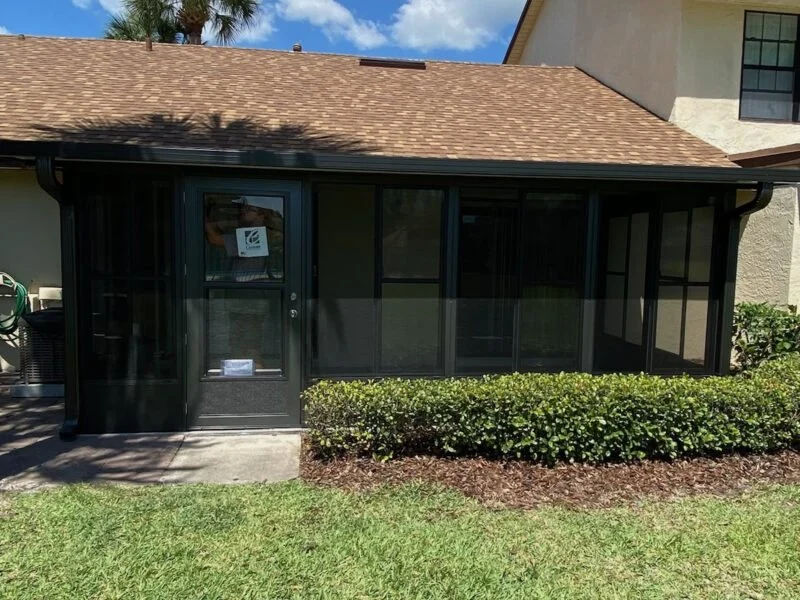
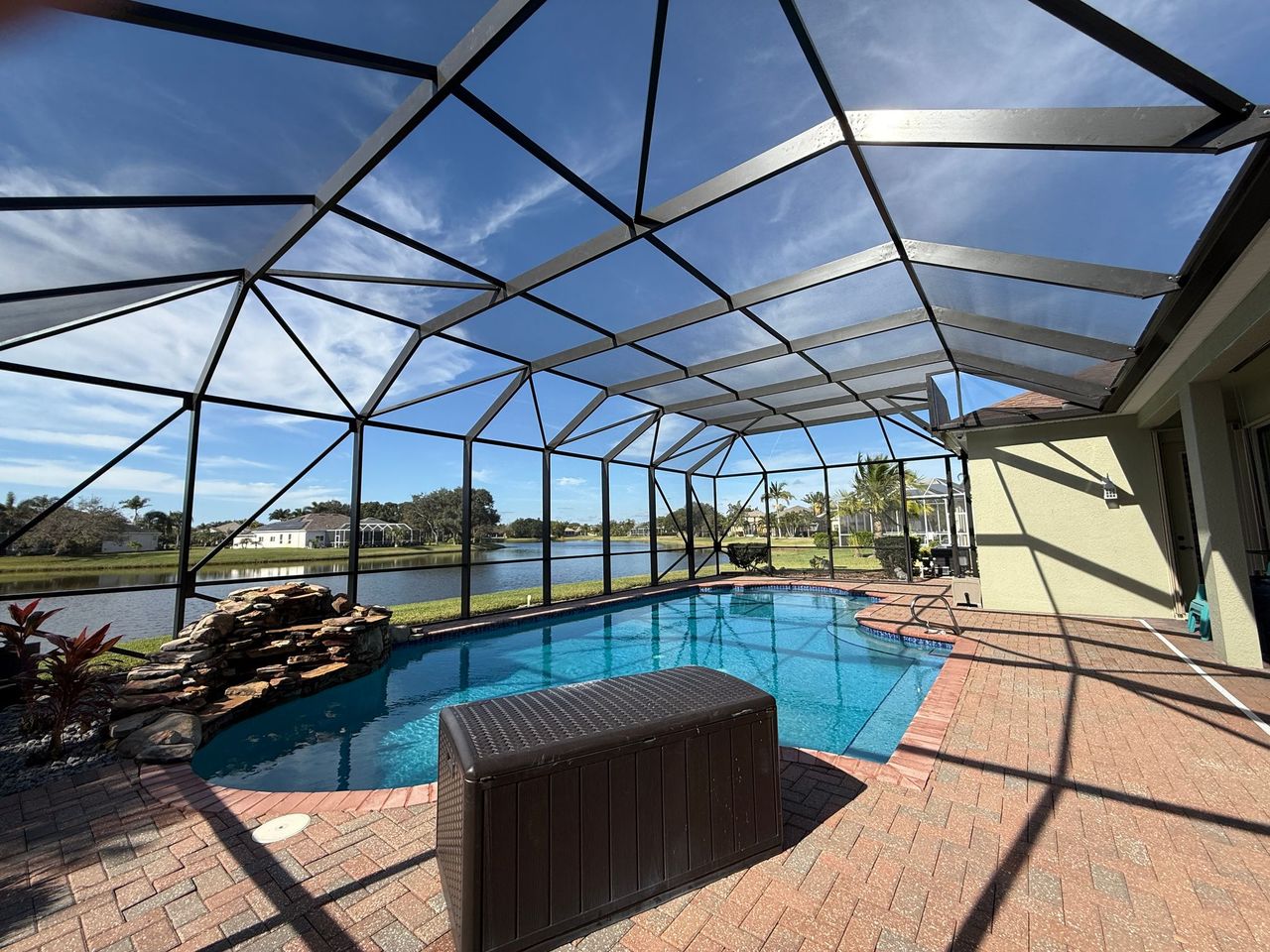
At Advanced Aluminum, we build every sunroom to stand up to Florida’s sun, wind and storms. But a sunroom isn’t a room of your house. It’s an outdoor living space with walls of glass or acrylic windows under an insulated roof. You get to enjoy the outdoors in comfort, and you don’t pay the cost of a full addition.
Why “water resistant” and not “waterproof”?
It comes down to how sunrooms are built. A home addition uses sill plates, flashing, gaskets and house wrap to keep water out completely. An aluminum sunroom uses a lighter, simpler aluminum frame. Where the frame meets your home or sits on your concrete patio, we seal the joint with a professional-grade sealant. It’s chosen for how well it holds up in the weather, how strongly it bonds, and how well it flexes as the frame expands and contracts.
That seal does a great job in everyday Florida weather. During heavy, long-lasting rain, wind-driven storms or flooding, some water may still find its way in. That’s normal for an outdoor space and doesn’t mean anything is wrong with the structure. Because it isn’t a workmanship defect, water getting in isn’t covered by our workmanship warranty.
Permitted as an outdoor space, not a living space
One of the biggest differences between a sunroom and a room addition is how it’s permitted. A room addition is permitted as habitable space, meaning it’s built to the same standards as the rest of your home. That calls for a full foundation, insulated and waterproofed walls and roof, heating and cooling, and full electrical requirements.
An aluminum sunroom is permitted as an outdoor space. Under the Florida Building Code, a sunroom with glass or acrylic windows is a Category 2 sunroom (a screen room is Category 1). Both are non-habitable and unconditioned. We don’t install heating or cooling, though many homeowners have their own HVAC contractor add it later. That means:
- A simpler permit, a lower price. Because the building requirements are much lighter than for an addition, you get a beautiful, sturdy enclosed space for a fraction of the cost. We take care of the permit; see our Brevard County permit guide.
- Not added to your home’s square footage. A sunroom is an outdoor living area, not part of your home’s interior.
- Built for the outdoors. Like any outdoor space, it’s designed to handle Florida weather, not to be sealed off from it. That’s why it’s water resistant rather than waterproof.
What this means for you
- Easy to care for. Sun and heat wear down every sealant over time, so we recommend resealing your sunroom every two years. Advanced Aluminum offers a reseal service for the sunrooms, screen rooms and insulated roof covers we build: we inspect the seams and refresh the sealant to keep them in good shape.
- Furnish for the outdoors. Outdoor-rated furniture, rugs and cushions handle the occasional splash and look great doing it.
The bottom line
An aluminum sunroom is still an outdoor space, built strong and beautiful for Florida living. It keeps out the bugs, the sun and most of the rain, so you can enjoy your patio much of the year. Expect some water in heavy or wind-driven rain, and with a reseal every couple of years your sunroom will stay comfortable for years.
Questions about which sunroom is right for your home, or ready to schedule a reseal? Call us at (321) 639-1451.